
Overpricing Your Property? Here’s Why It Is The Wrong Move

GTA’s real estate market has shifted. What was once a seller’s market from 2020 to 2023 has become a buyer’s market. Homeowners looking to sell, especially those facing financial strain, divorce, or downsizing, need a new approach to make the most out of their properties.
Overpricing a property might seem like a strategy to maximize returns. However, in 2025, buyers are well-informed and have numerous options and are less likely to engage with overpriced listings.
Recent data underscores this trend. In March 2025, the average selling price in the GTA was $1,093,254, down 2.5% compared to March 2024. Moreover, the number of home sales decreased by 23.1% year-over-year, while new listings increased by 28.6%, indicating a surplus of available properties.
If you chose your real estate agent solely based on their pricing strategy, you may be setting yourself up for disappointment. Overpriced homes lose momentum quickly, often lingering on the market while well-priced properties attract serious interest and outshine yours in comparison.
GTA Housing Market 2024-2025: A Shift to Buyer Power
The latest data paints a clear picture: buyers now have the upper hand. After years of booming prices, the GTA market cooled in 2024. According to the Toronto Regional Real Estate Board (TRREB), new listings surged 16.4% in 2024 while sales rose only 2.6%, meaning inventory grew much faster than demand.
In fact, the average selling price in 2024 dipped below 2023’s level, coming in at about $1.117 million (slightly <1% drop year-over-year).
By early 2025, the trend continued: March 2025’s average price of $1,093,254 was 2.5% lower than March 2024.
Not only are prices softer, but homes are taking longer to sell. In March 2025, the average days on market (DOM) climbed to 24 days, up from 20 days a year earlier.
Taking all these statistics into consideration, we can confidently say that the real estate market has definitely shifted into a buyer’s market in early 2025.
There’s more than 6.5 months of inventory across GTA, around 4.4 months Canada-wide.
Buyers now have “greater negotiating power”, which makes your pricing strategy even more critical.
Why Overpricing Backfires in a Buyer’s Market
In a seller’s market, a high price might still attract eager bidders. But in today’s buyer’s market, overpricing your home is a recipe for failure. Here’s why:
Fewer Showings & Lost Buyers
An overpriced listing will draw little interest compared to similar homes priced competitively. Buyers often simply skip viewing a home they perceive as overpriced, assuming the seller is unrealistic.
Longer Days on Market (Stale Listing)
It’s common to see an overpriced home still unsold after 60+ or 90+ days, whereas a correctly priced home might sell in a few weeks. And once a listing goes stale, it develops a stigma. They start wondering “what’s wrong with it?”
The first 2-4 weeks of a listing are the golden window when buyer excitement (and your chance of getting close to asking) is highest. If you miss that window, your listing won’t gain the momentum again.
Forced Price Cuts
After several weeks of poor activity, when a seller (begrudgingly) agrees for a price drop, they are still behind in the chase. B have moved on or the market has softened further. It becomes a game of catch-up that you, as the seller, can lose.
The first price cut is often the cheapest – meaning if you overprice by $100k, you might end up cutting $150k total in the long run due to the damage done by a stale listing. The data supports this: the longer a home sits, the more its price drops.
For example, a home on the market 61-90 days ends up selling for ~7% less than it would have at 0-30 days, and at 91+ days it can be 10%+ below initial value. In other words, that $1,000,000 house might only fetch ~$900k after 3 months unsold.
Lower Final Sale Price
Ironically, sellers who overprice often end up selling for LESS than they would have if they priced correctly from the start. Why? Because the combination of a smaller buyer pool, a tarnished listing, and multiple price drops usually results in lowball offers.
Buyers see you’re on the ropes and negotiate hard. In many cases, the home sells below its true market value.
Increased Carrying Costs & Stress
Home selling is more stressful than buying one. Every extra week or month your property remains unsold is time you’re incurring carrying costs: mortgage payments, property taxes, utilities, insurance, and maintenance on a home you’re trying to unload. If you’re facing money struggles, passing every week can be brutal.
Not to mention the emotional toll. Sellers have to constantly clean for showings that never happen, keep the home in staged condition, and feel the anxiety of watching other houses sell while yours languishes.
What GTA Buyers Are Saying About Overpriced Listings
We scanned through active real estate subreddits from the GTA and found that they are filled with frustrated comments about sellers asking too much. Here are some comments that stood out:
- “Sellers continue to ask delusional prices and try to profit off their bad buys in 2021-2022”
- “20,000 homes not selling means that there is an issue with the price. Any house will move if the price is right.”
- “This house has been listed 3 times since last year and still hasn’t sold because they only shaved a bit off the price each time.”
- “I’m in the GTA… sellers are still trying to hold onto the highest price. Often, they will not accept below asking.”
- “Some sellers are too emotionally connected to the property … or just delusional about price”
How To Price Your Property Correctly?
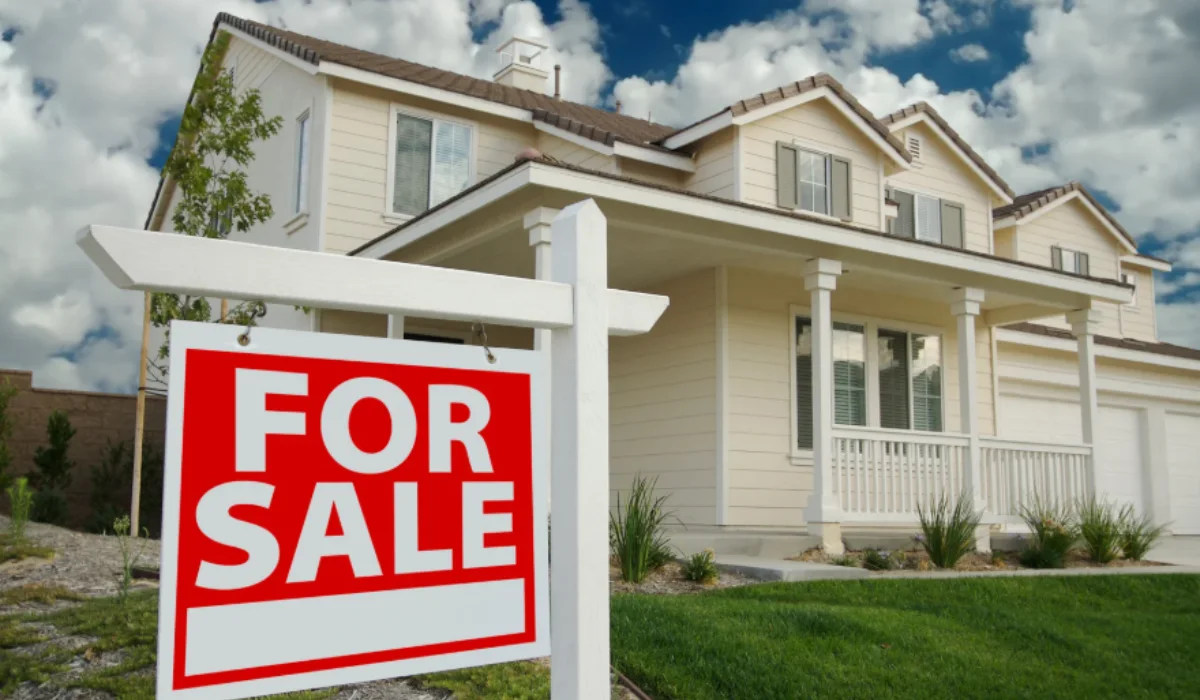
In a buyer’s market like the GTA in 2025, your price is your strongest marketing tool. Here’s how to do it right:
1. Forget What Your Neighbour Got Last Year
A comparable property that fetched $1.3M during the pandemic boom may now attract $1.1M or less depending on location, condition, and buyer demand. Don’t cling to outdated pricing. Instead, look at recently sold properties within the last 30 to 60 days, in your micro-neighbourhood, with similar square footage and upgrades. That’s your benchmark now.
2. Study Both Solds and Unsolds
Sellers often focus on recent sales, but ignore homes that failed to sell. Pull listings in your area that sat for over 60 days or expired. Many of those were overpriced. The unsold inventory tells you what not to do. Take a closer look at their photos and description.
Ask yourself:
- Was the price too aggressive for the location, layout, or condition?
- Did the home look outdated compared to similar properties that were sold?
- Was the listing poorly staged, cluttered, or dark?
- Were there price drops after the initial listing? If so, how many and how often?
- Did the photos or description overpromise and underdeliver?
You’ll soon start picking up patterns and find the right selling price for your property.
3. Price at Market, Not Above It
Today’s buyers scroll past overpriced homes without a second thought. A smart strategy is to price at or just below fair market value. This attracts more eyes, triggers early interest, and may even create competition, pushing the price up organically.
4. Use Price Bracketing To Your Advantage
Most popular search brackets include $800k–$900k and $900k–$1M in the Greater Toronto Area. Pricing your home at $999,000 instead of $1,020,000 places you in more search results and brings in more qualified leads.
5. Nail Your First 21 Days
That’s when your listing is new, fresh, and drawing the most attention. Agents and buyers are watching for new listings. If you price too high, this window closes without offers. Even if you reduce your price later, many buyers have already moved on.
6. Think Like a Buyer First, Then Think Like 10 Buyers
Most sellers set a price based on what they feel the home is worth and not how buyers will see it. That gap costs time, energy, and thousands of dollars. Start by stepping outside of your seller mindset. Walk through your home as if you’re seeing it for the first time, online and in person.
Ask yourself:
- “Would I be excited to book a showing at this price?”
- “Does this price match what the home actually offers?”
- “How does it compare to the other listings I’ve browsed in this range?”
Ask friends and family to become pretend buyers.
In a buyer’s market, people are seeing five, ten, even fifteen properties in a weekend. They’re comparing value relentlessly. They’re noticing chipped paint, outdated fixtures, street noise, or lack of parking.
7. Be Honest About Renovations and Upgrades
Not every update increases value. Granite countertops and a new roof don’t guarantee a premium, but using those funds to add a second bathroom might. Upgrades matter, but only relative to other homes in your price range. A home with standard finishes priced like a luxury reno will only scare off qualified buyers.
8. Always Price for Today’s Market
A price that felt competitive in February might be outdated by April in a volatile market. The buyers walking into your home today are reacting to this week’s inventory, this month’s mortgage rates, and current buyer demand.
That’s why your pricing needs to reflect real-time market activity, not past momentum. As your listing agent, I am watching the data weekly, tracking sold prices and average days on market.
If your listing doesn’t get strong traffic or offers in the first 14–21 days, don’t wait 60 or 90 days to react. The longer your home sits, the more aggressive buyers become. They start assuming you’re either desperate or overpriced and come in with lowball offers.
As your listing agent….
I always tell my clients to stay flexible, not emotional. If the market moves, move with it. Selling a home is not about sticking to a number. It’s about responding to the realities of what buyers are doing today and pricing your property to be the most attractive option on the market.
If you’re ready to price your home right and sell with confidence, let’s talk.
Thinking about selling?
Get a free, no-obligation evaluation of your home from Kelechi.
Book A Free Evaluation